

Seed library
Seed Library Resource Links
Planting Calendars
Videos & Guides
Books
Available at BADL
- The Vegetable Gardener’s Container Bible: How to Grow a Bounty of Food in Pots, Tubs, and Other Containers by Edward C. Smith
- Edible Gardening for the Midwest by Colleen Vanderlinden
- The Good Garden by Chris McLaughlin
- The Month-By-Month Gardening Guide by Franz Bohmig
- Grow Great Vegetables in Michigan by Bevin Cohen
- Grow All You Can in 3 Square Feet by Dorling Kindersley, Inc.
- The Timber Press Guide to Vegetable Gardening in the Midwest by Michael VanderBrug
Gardening with Children
- Gardening with Kids by Catherine Woram
- A Backyard Vegetable Garden for Kids by Amie Jane Leavitt
Available through TLN
- The Complete Guide to Lower Midwest Gardening by Lynn M. Steiner
- Easy Edibles: A Beginner’s Guide to Growing Organic Food in the Lower Great Lakes Region by Sheri Repucci
- Let it Rot! The Gardener’s Guide to Composting by Stu Campbell
- Garden Anywhere by Alys Fowler
- The Edible Balcony: Growing Fresh Produce in Small Spaces by Alex Mitchell
- Kid’s Container Gardening: Year-Round Projects for Inside and Out by Cindy Krezel
- Hellstrip Gardening: Creating a Paradise Between the Sidewalk and the Curb by Evelyn J. Hadden
- Grow Vegetables in Pots
- AADL book list
Podcasts
- Seeds and Weeds Podcast
-
www.notillgrowers.com
This site has a network of separate podcasts all produced by the same group–subjects covered are compost, winter growing, flowers, seeds, collaborative farming, and more!
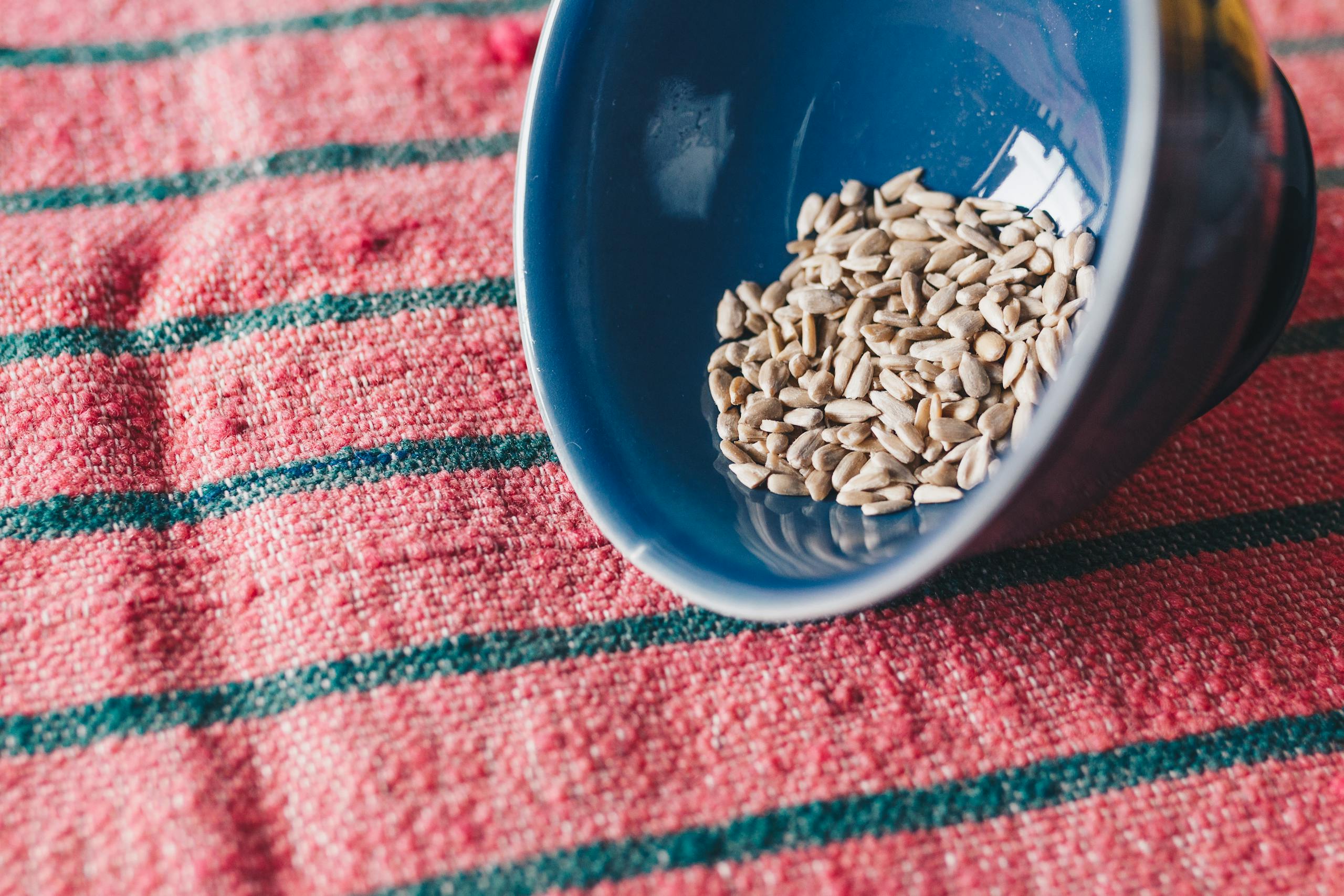
The BADL Seed Library is supplied solely by donations, so thank you very much for considering donating to our collection! Here is some information on donating that will help make sure our seed library is stocked with accurately labeled and viable seeds.
Important! We do not accept hybrid, patented or genetically modified seeds. (Read more here about why this is the case: What’s the Difference? Open-Pollinated, Heirloom & Hybrid Seeds and A Guide to Seed Intellectual Property Rights).
Seeds must be clean and dry.
Plants must not have been treated with pesticide before seed collection.
Seeds are not protected by patent or copyright law. Seed packet does not specify patent or copyright.
Seeds must not be listed as invasive by the Michigan Department of Natural Resources.
Instructions
- Seeds must be clean and dry.
- Make sure that the seeds are stored in a sealed envelope/container.
- Please fill out the donation form with as much information as possible in clear, legible print.
- Attach the donation form to the envelope.
- Turn in the envelope at the circulation desk.
- Plants must not have been treated with pesticide before seed collection.
- Seeds are not protected by patent or copyright law. Seed packet does not specify patent or copyright.
- Seeds must not be listed as invasive by the Michigan Department of Natural Resources.
How does a seed library work?
Seed Donations: The library starts with donations of seeds from various sources, including local gardeners, seed companies, or organizations dedicated to preserving heirloom or rare plant varieties.
Cataloging and Organization: The seeds are cataloged and organized, often based on plant type (vegetables, flowers, herbs, etc.) and sometimes by specific traits such as drought resistance or heirloom status.
Borrowing Seeds: Members of the community can visit the seed library, and borrow seed to grown in their own garden.
Harvesting Seeds: When the plants mature and produce seeds, borrowers are encouraged to save some seeds from their harvest to return to the library. This replenishes the seed stock and allows others to borrow them in the future.
Seed libraries serve several purposes:
Preservation of Biodiversity: By sharing and exchanging seeds, communities help preserve a diverse range of plant varieties, including heirloom and rare species that might otherwise be lost.
Community Building: Seed libraries foster a sense of community by bringing people together around a common interest in gardening, food security, and sustainable living.
Access to Seeds: They provide access to seeds for people who may not have the means to purchase them, promoting equity in access to food-growing resources.
Education: Seed libraries educate people about gardening practices, seed saving, and the importance of biodiversity, empowering them to become more self-sufficient and environmentally conscious.
Seed libraries contribute to the resilience and sustainability of local food systems while promoting a deeper connection between people and the plants they cultivate.